Why no two gemstone dice are identical
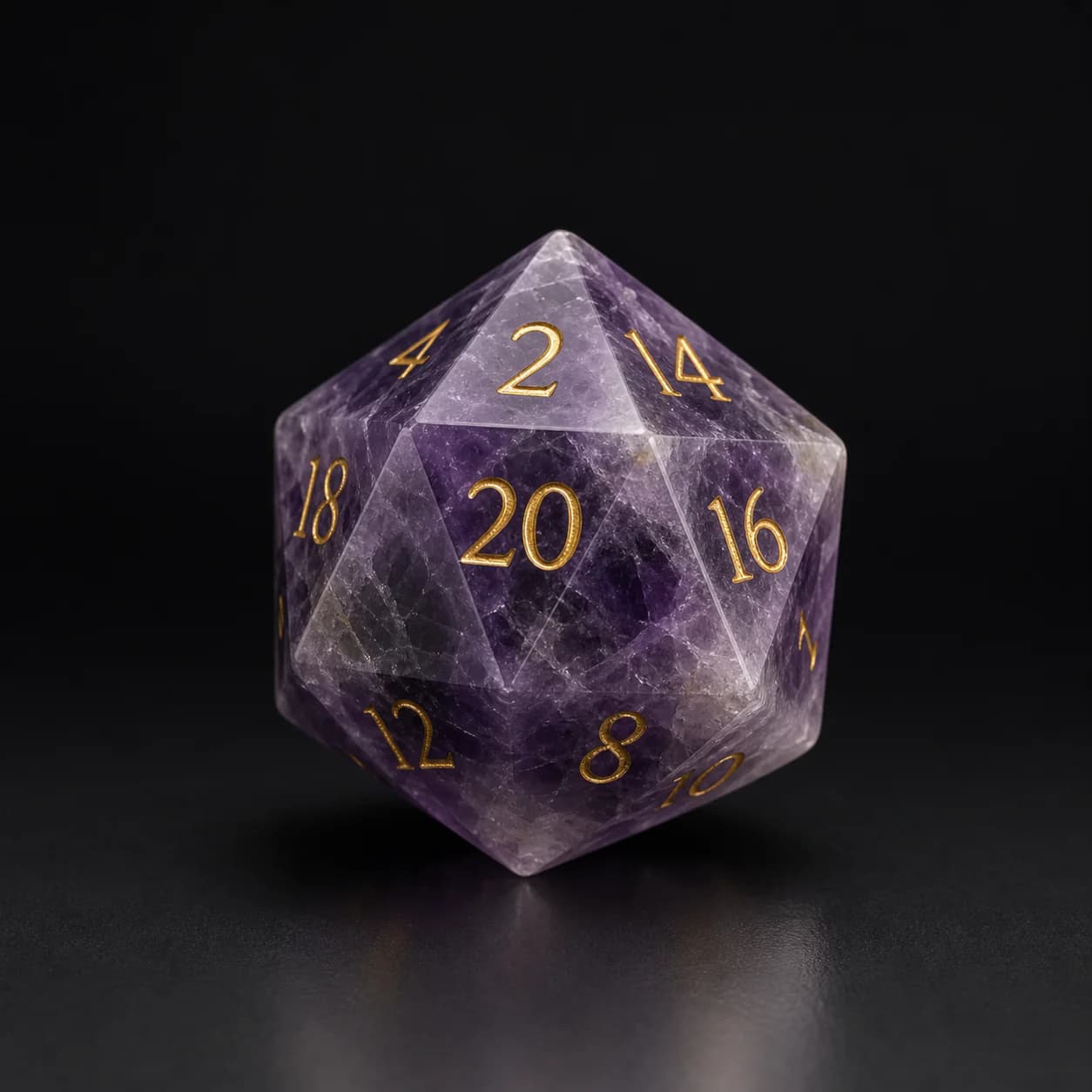
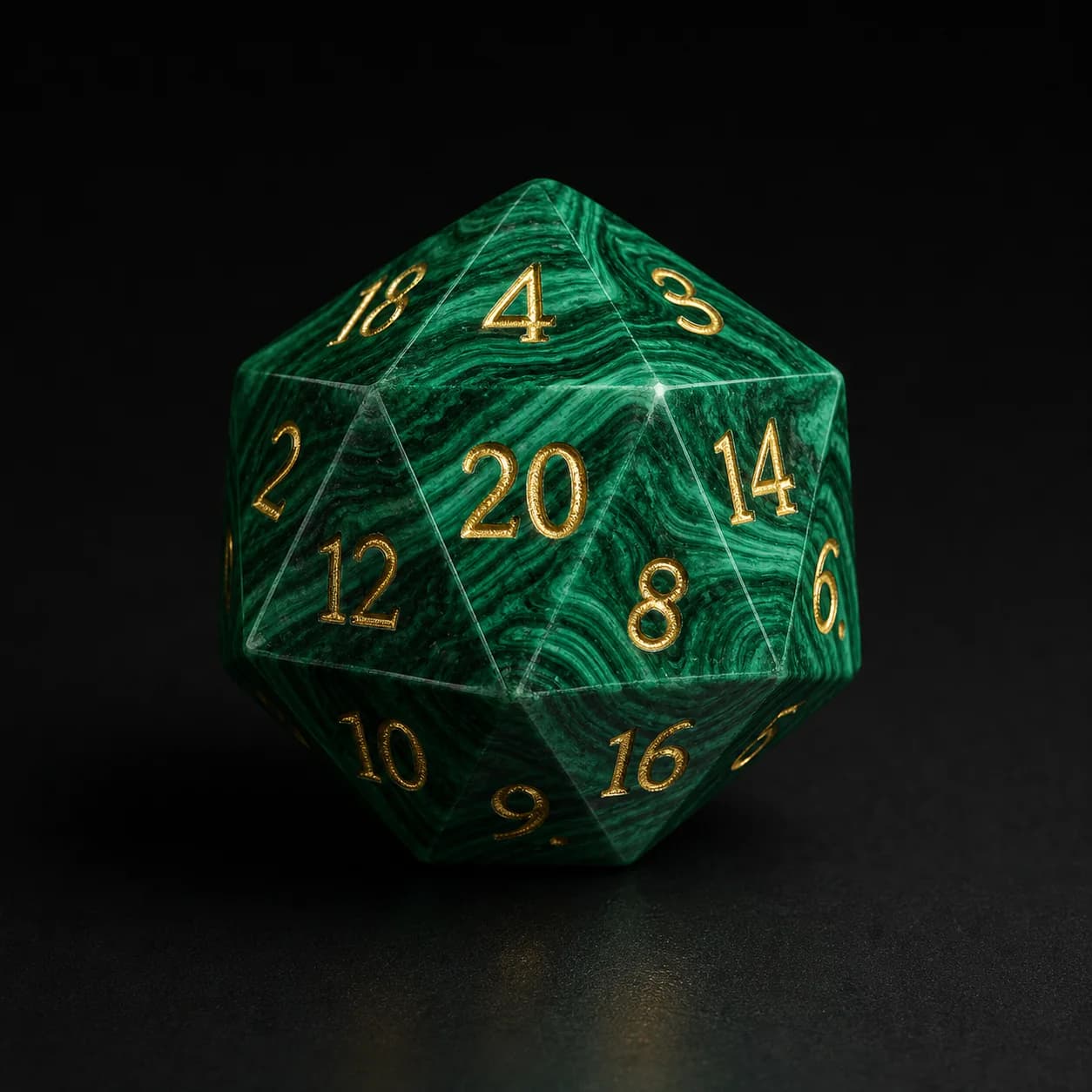
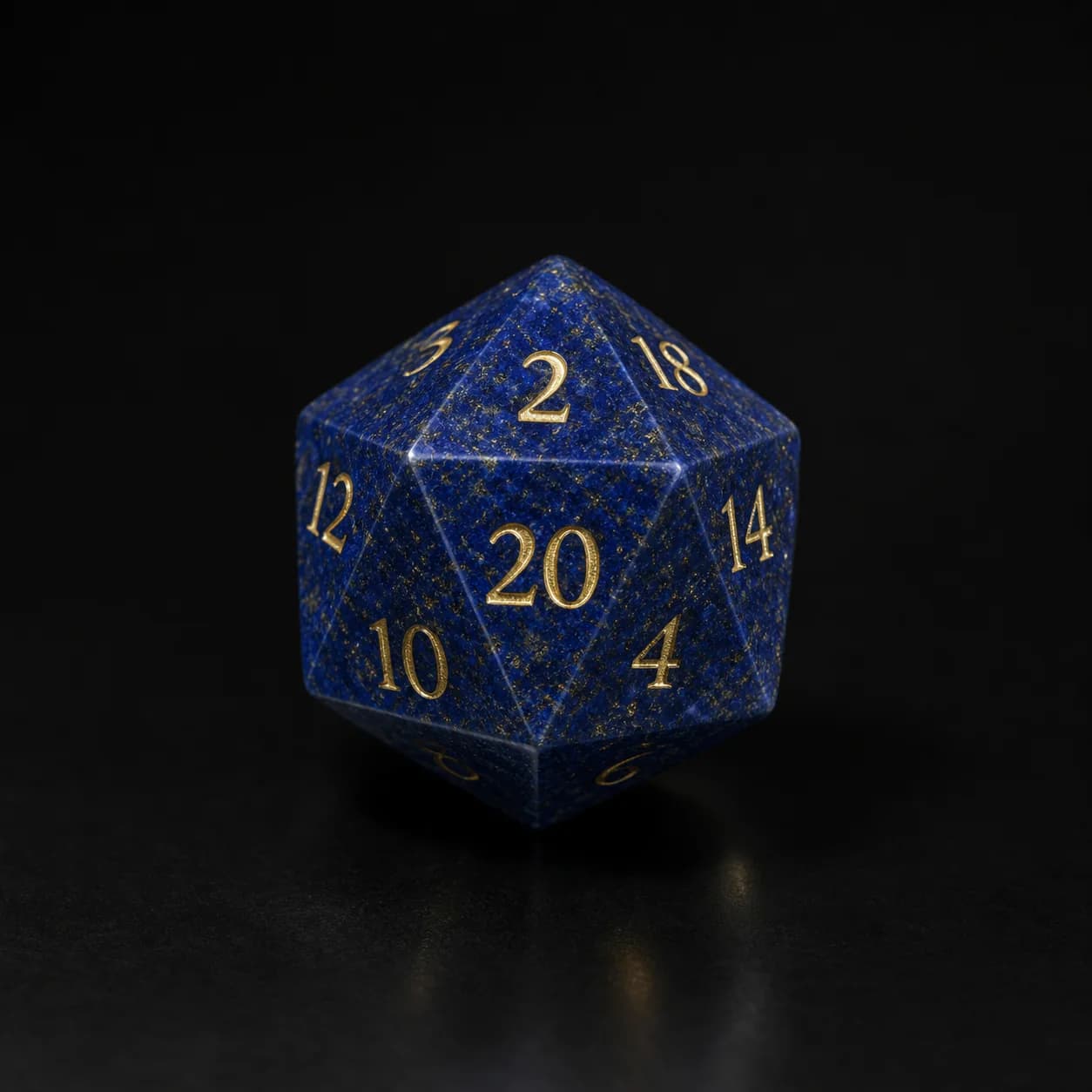
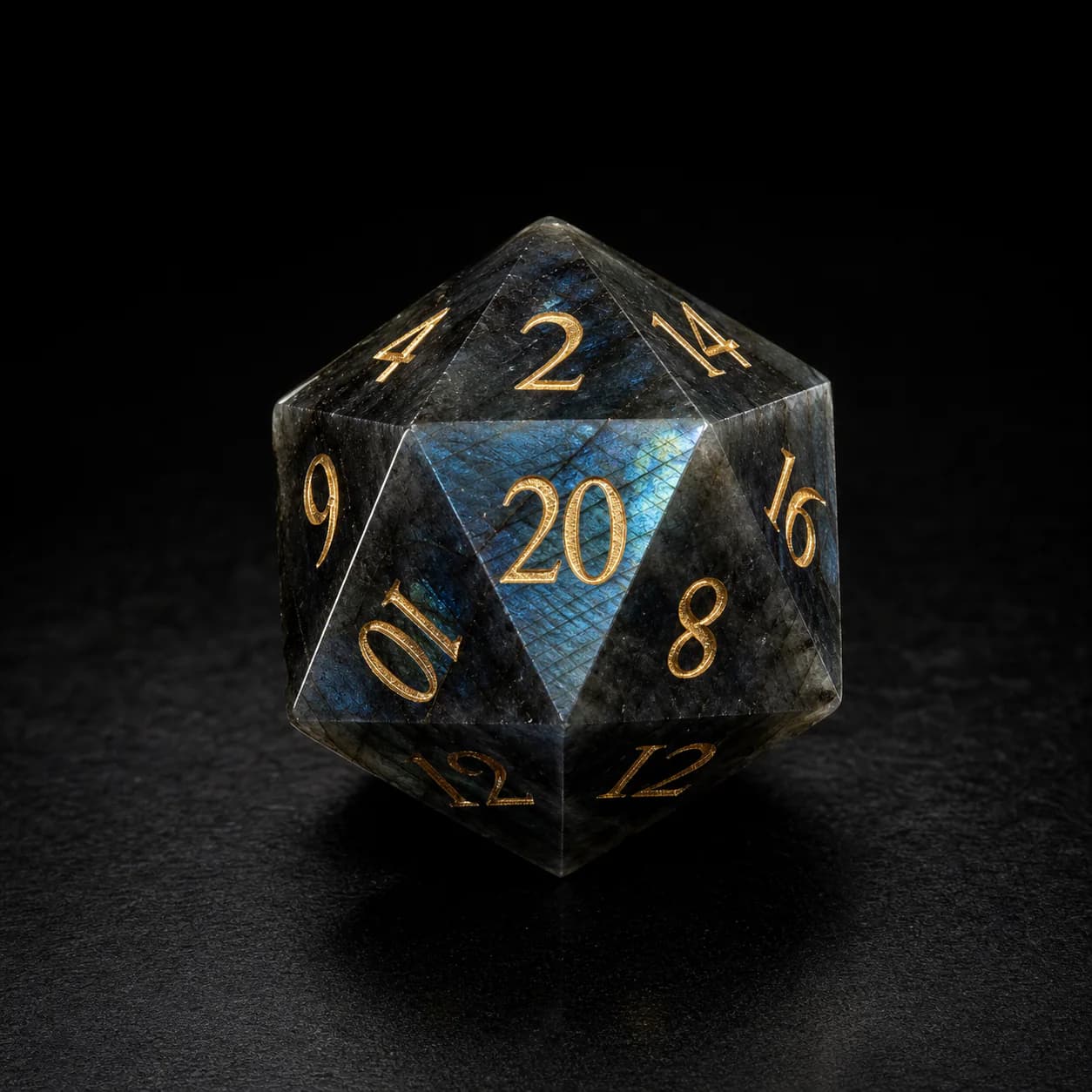
Natural stone forms over geological time, so color depth, zoning, translucency, and internal inclusions differ from block to block. A labradorite die may flash blue in one piece and gold in another; an amethyst may run pale lavender or deep violet. This is a property of the material, not a defect.
Treating that variation as a feature is what separates a smooth program from a difficult one. The natural character is exactly what makes a gemstone set feel premium compared with printed resin.
The visual range is your quality contract
Instead of expecting every die to match one reference photo, define an acceptable visual range using approved samples and reference images. That range describes the lightest and darkest tone, the pattern density, and the kinds of inclusions you consider acceptable.
Once the range is written down and approved, incoming inspection can measure production against it. Buyers get consistency they can plan around, and the factory has a clear, fair standard to produce to.
Balance, hardness, and honest expectations
Natural mineral density is not uniform, so gemstone dice are shaped for tabletop use rather than certified for competition-grade balance. If a program needs special balance or tight dimensional tolerance, that should be raised before sampling so feasibility can be assessed.
Hardness also varies by stone, which affects engraving contrast and edge finish. Discussing these traits during material selection keeps expectations aligned with what the chosen stone can actually deliver.